
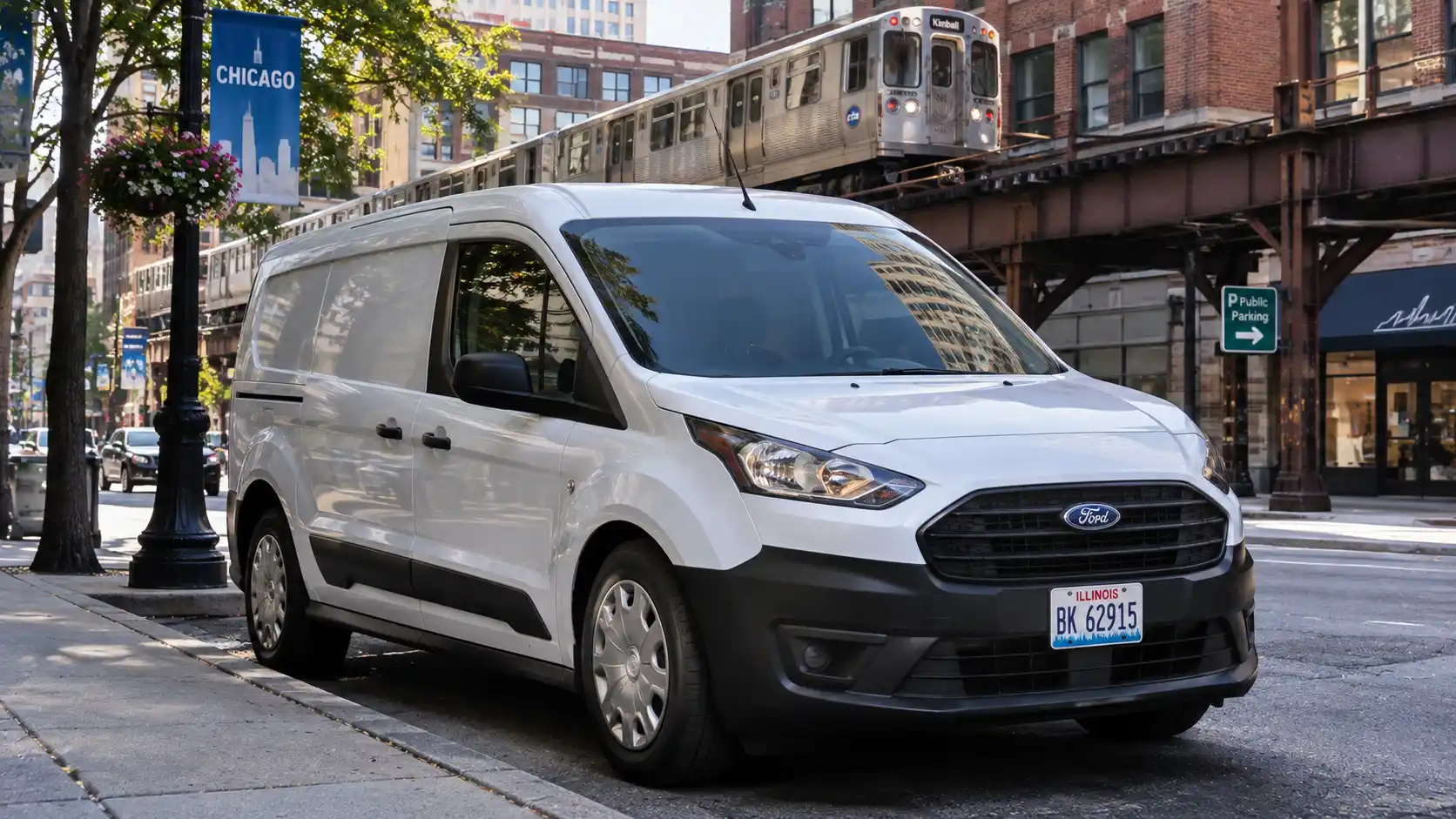
The Ford Transit Connect is the little van that small businesses quietly fell in love with. It’s narrow enough for city alleys, tall enough to stand a ladder inside, and it sips fuel like a compact car. Florists, plumbers, IT techs, delivery drivers and even New York cab companies built their days around it.
There’s a catch: Ford stopped selling the Transit Connect in the US after the 2023 model year. You can’t order a new one anymore, which is exactly why so many people now search for a Ford Transit Connect for sale on the used market.
This guide covers everything a shopper needs: what the Ford Connect van is, how each generation differs, full specs, cargo van vs passenger wagon, what used ones cost right now, the recalls to check, how it relates to the European Tourneo Connect, and which model years are worth your money.
What Is the Ford Transit Connect?
The Transit Connect is a compact, front-wheel-drive van designed by Ford of Europe. In the US it was sold from the 2010 to 2023 model years in two body styles:
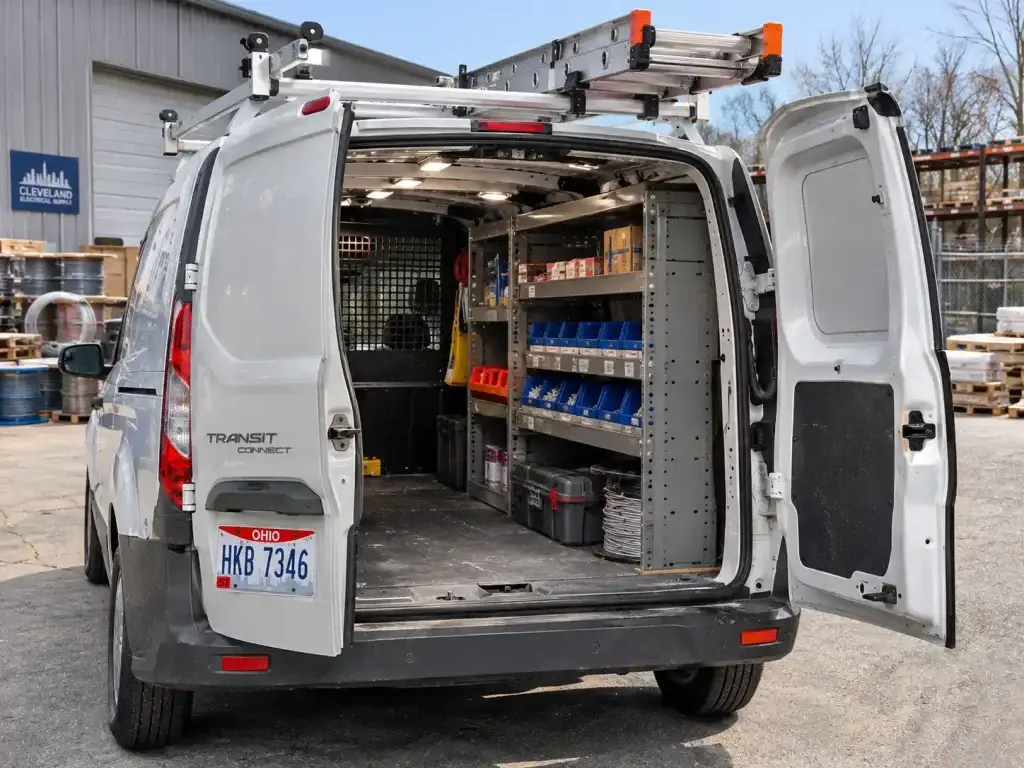
- Transit Connect cargo van: two seats up front, an open cargo box behind, sliding side doors and either swing-out rear doors or a liftgate. This is the one most people mean when they say “Ford Connect van.”
- Transit Connect Wagon: the passenger version with rear windows and seating for five or seven. Think of it as a boxy, budget-friendly alternative to a minivan.
It’s the smallest member of Ford’s Transit family. A Transit Connect van shares almost nothing but its name with the full-size Transit; it is closer in footprint to a midsize SUV. It won North American Truck of the Year in 2010, its first year on sale here.
Why Ford Stopped Selling It in the US
Sales of small vans in America shrank steadily, and rivals such as the Nissan NV200 and Mercedes-Benz Metris had already left the market. Ford had considered building a next-generation Transit Connect in Mexico, but instead ended US sales after the 2023 model year. The smallest Ford van you can buy new today is the full-size Transit in its shortest, low-roof form.
The Chicken Tax Trick (A Fun Piece of Trivia)
America charges a 25% tariff on imported light trucks, known as the “chicken tax.” To avoid it, Ford imported every Transit Connect from Europe as a passenger vehicle, complete with rear seats and windows. Cargo vans were then converted after arrival by removing those parts. A federal appeals court ruled against the practice in 2019. From 2019 production on, the removed seats were shipped back to Spain for reuse rather than scrapped.
Looking for other Ford models? Browse our Ford models hub.
Transit Connect Model Years: How Each Generation Differs
The US Transit Connect comes in two generations, and the second one splits into two very different halves. The 2019 refresh brought a new engine, a new transmission and standard automatic emergency braking. For most buyers, that makes 2019 the dividing line.
| Model years | Engine and transmission | Key changes | Watch out for |
|---|---|---|---|
| 2023 | 2.0L 4-cyl, 162 hp, 8-speed auto | Final US model year. New MSRP $34,100–$39,800 | Highest used prices; some still under factory warranty |
| 2022 | Same as 2023 | Carryover. New MSRP $29,365–$36,060 | Very similar to a 2023 at a lower price |
| 2020–2021 | Same | Short-wheelbase passenger wagon dropped; wagon now long-wheelbase only | 2.5L vans (built for CNG/propane conversion) are in a shifter-cable recall through 2021 |
| 2019 | New 2.0L direct-injection 4-cyl, 162 hp, 8-speed auto | Mid-cycle refresh: new nose, redesigned dashboard, available 6.5-inch SYNC 3 touchscreen, built-in Wi-Fi, standard automatic emergency braking | 2019–2020 transmission control software recall; planned diesel was cancelled for the US |
| 2014–2018 | 2.5L 4-cyl (169 hp) or 1.6L EcoBoost turbo, 6-speed auto | All-new second generation built in Spain; short and long wheelbases; optional rear liftgate; 7-seat wagon | Front door latch recall (2014–2016); 1.6L EcoBoost engine-fire recall (2013–2015); shifter-cable bushing recall |
| 2010–2013 | 2.0L 4-cyl, 136 hp, 4-speed auto | First generation, built in Turkey; long-wheelbase high-roof only; XLT Premium wagon added for 2011 | Age and mileage; parts availability for the electric version is very limited |
2022 vs 2023 Ford Transit Connect
Mechanically, the 2022 Ford Transit Connect and the 2023 Ford Transit Connect are the same van. Both have the 2.0L engine, 8-speed transmission, standard automatic emergency braking and the same body choices. The 2023 only earns its premium through newer age and, on low-mileage examples, more remaining factory warranty. If you’re choosing between a 2022 Ford Transit Connect cargo van and a 2023 at similar mileage, take the cheaper one and spend the difference on shelving or a roof rack.
Ford Transit Connect Specs (2019–2023)
These are the numbers for the most common used Transit Connect today: a 2019–2023 van with the 2.0L engine. Exact payload and cargo figures vary with wheelbase, door setup and trim, so check the door-jamb sticker on the van you’re buying.
| Spec | Ford Transit Connect (2.0L) |
|---|---|
| Engine | 2.0L direct-injection inline-4 |
| Power | 162 hp @ 6,500 rpm |
| Torque | 144 lb-ft @ 4,500 rpm |
| Transmission | 8-speed automatic |
| Drivetrain | Front-wheel drive |
| EPA fuel economy (cargo van) | 24 city / 26 highway / 25 combined mpg |
| Max payload | About 1,500–1,600 lb depending on configuration |
| Max towing | 2,000 lb (properly equipped) |
| Cargo volume | About 104.8 cu ft (short wheelbase) / 127.4 cu ft (long wheelbase) behind the front seats |
| Cargo height | About 49–50 in |
| Width between wheel wells | About 48.7 in |
| Curb weight | About 3,580–3,690 lb |
| Fuel tank | About 16 gallons |
| Seating | 2 (cargo van); 5 or 7 (wagon) |
Tradespeople should note the floor size. The 48.7-inch gap between the wheel wells fits a 4-foot-wide sheet, but the long-wheelbase van’s floor runs about 87.6 inches to the seats. That means an 8-foot sheet of plywood won’t lie fully flat behind the seats. For older vans, the 2014–2018 2.5L models are rated in the low 20s for combined mpg. You can look up the official figures for any model year on the EPA’s fuel economy site.
Cargo Van vs Passenger Wagon, and XL vs XLT vs Titanium
Used Transit Connects split into two very different buyers’ markets. Make sure the listing matches what you need before you fall for the price.
Ford Transit Connect Cargo Van
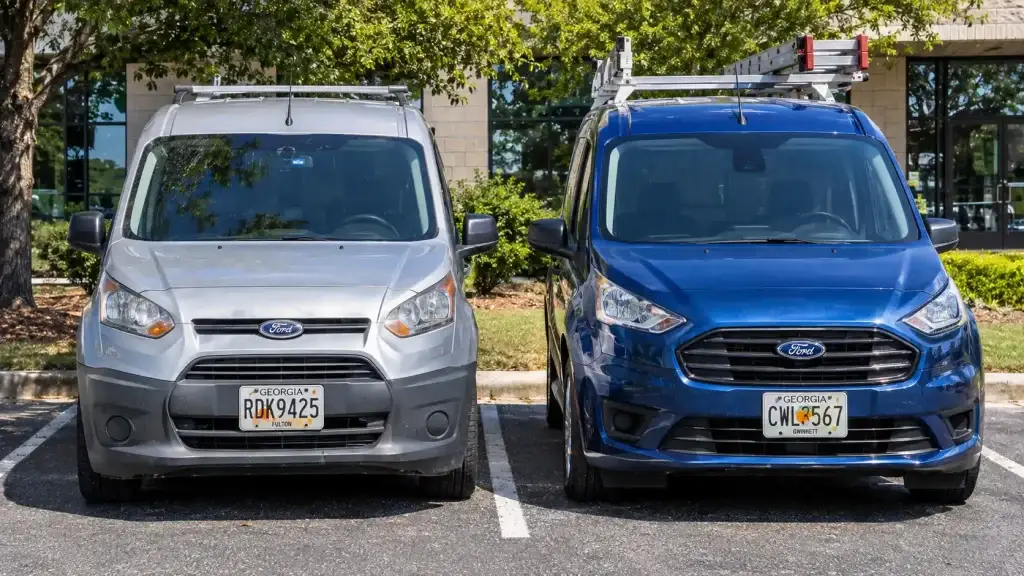
The Ford Transit Connect cargo van makes up the large majority of what’s for sale, since about 85% of US-bound Transit Connects were converted to cargo vans. It came in XL and XLT trims, in short or long wheelbase, with sliding doors on one or both sides and either 180-degree rear doors or a top-hinged liftgate.
- XL: the workhorse, with a simple, hard-wearing cabin. Ideal for fleet buyers and anyone who’ll fit racks and shelving.
- Ford Transit Connect XLT: adds more comfort and convenience features and nicer trim. It’s the better daily driver if you spend all day behind the wheel. Check each listing’s option list, because equipment varies a lot from van to van.
Transit Connect Wagon

The passenger wagon came as XL, XLT and the top Titanium, with second-row and optional third-row seating. From 2020 it was long-wheelbase only. Titanium models add leather-trimmed seats, upgraded audio and more tech, and they are rare on the used market. A wagon is a great pick for families who want huge, upright cargo space and easy entry through sliding doors without paying minivan prices.
Liftgate or barn doors? Rear swing doors let you load from a dock or forklift and open almost flat against the sides. A liftgate gives you a rain shelter and a cleaner look but is awkward in tight parking spots. Fleet buyers usually prefer the doors.
Ford Transit Connect vs Tourneo Connect
If you’ve seen ads for a Ford Tourneo Connect and wondered why you can’t find one at your local dealer, here’s the answer. The Tourneo Connect is the European name for the passenger version of the Connect, the same idea as the Transit Connect Wagon sold here.
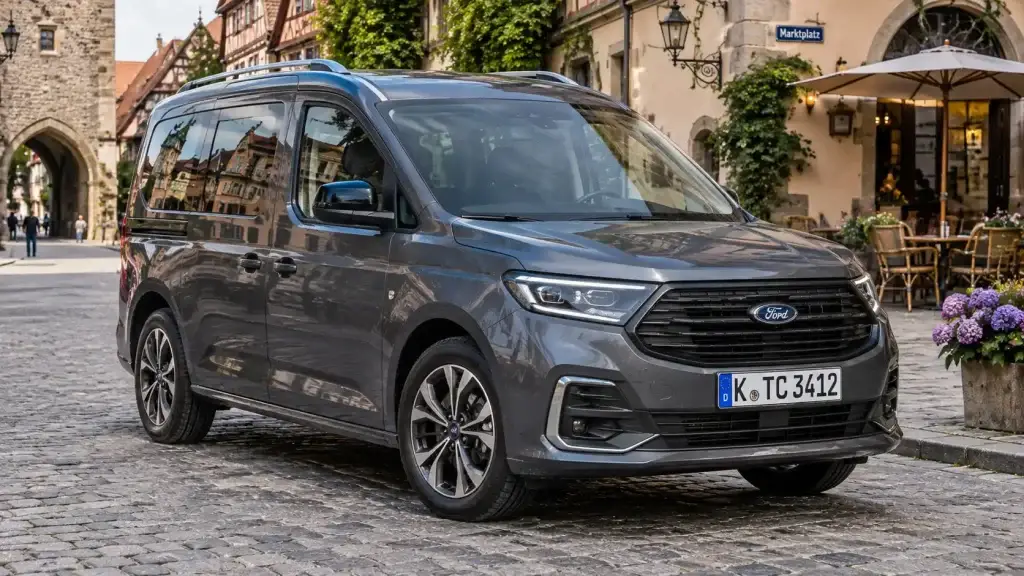
- Up to 2021, the Tourneo Connect and the US Transit Connect Wagon were close relatives built in Valencia, Spain.
- From 2022, the third-generation Tourneo Connect (including the 2023 Ford Tourneo Connect) is a rebadged Volkswagen Caddy built by Volkswagen in Poland. It was never sold in the US.
Can you buy a Ford Tourneo Connect for sale in the US? Not new, and not as a recent import. US rules generally bar importing a vehicle that wasn’t built to American safety and emissions standards until it is at least 25 years old. If you want the Tourneo Connect experience in America, a used Transit Connect Wagon is the practical equivalent.
What to Buy Instead of a New Transit Connect
The compact van segment has largely disappeared in the US. Nissan, Mercedes-Benz and Ram have all pulled out of it, so your realistic choices are:
- A used Transit Connect, the best value if compact size and fuel economy matter most
- The full-size Ford Transit, bigger and pricier, but brand new with a full warranty
- A compact pickup with a bed cap, such as the Ford Maverick, if you mostly haul tools rather than parcels
Buying a Used Ford Transit Connect: Prices, Best Years and What to Check
There’s still a healthy supply. In November 2026, Autotrader showed about 1,500 used Transit Connects nationwide. The average van is about 10 years old with roughly 94,000 miles, and almost 4 in 10 have passed 100,000 miles. Expect plenty of ex-fleet vans, which is not a bad thing if the maintenance records come with them.
What a Used Transit Connect Costs Right Now
Average asking prices from Autotrader listings, November 2026:
| Model year | Average asking price |
|---|---|
| 2023 | $26,461 |
| 2022 | $21,247 |
| 2021 | $18,207 |
| 2020 | $17,353 |
| 2019 | $15,663 |
| 2018 | $15,155 |
| 2017 | $13,950 |
| 2016 | $13,563 |
| 2015 | $11,614 |
| 2014 | $10,359 |
Notice the gap between 2018 and 2019 is only about $500, even though 2019 brought the better engine, the 8-speed and standard emergency braking. That makes the 2019–2021 vans the sweet spot. A 2023 Ford Transit Connect for sale with low miles can still top $30,000, which is getting close to what a new one cost.
Best Years to Buy
- Best value: 2019–2021. You get the updated drivetrain and safety tech at mid-teens to high-teens prices.
- Best condition: 2022–2023. These are newer and lower-mileage, and the youngest may still have Ford’s 5-year/60,000-mile powertrain coverage.
- Budget only: 2014–2018. These are fine if the price reflects the age and the recalls below are done. Be extra careful with early 2014–2016 vans.
- Generally skip: 2010–2013. It’s an old design with a 4-speed automatic, and few survive in good shape.
Recalls to Check Before You Buy
The Transit Connect has a long recall list, so run every VIN through the NHTSA recall lookup before you hand over money. The big ones:
- Front door latch (2014–2016): the latch pawl can crack, so a door may not latch and could open while driving.
- Shifter cable bushing (2013–2021 with the 2.5L engine): the bushing can degrade or detach, so the van may not be in the gear the shifter shows. That creates a rollaway risk.
- Engine fire risk (2013–2015 with the 1.6L EcoBoost): a coolant circulation problem can lead to overheating and fire.
- Transmission control software (2019–2020): a recall that Ford reissued in 2025 because some earlier repairs weren’t done correctly.
Recall repairs are free at any Ford dealer. Our Ford recall guide explains how to read the results.
Used Transit Connect Inspection Checklist
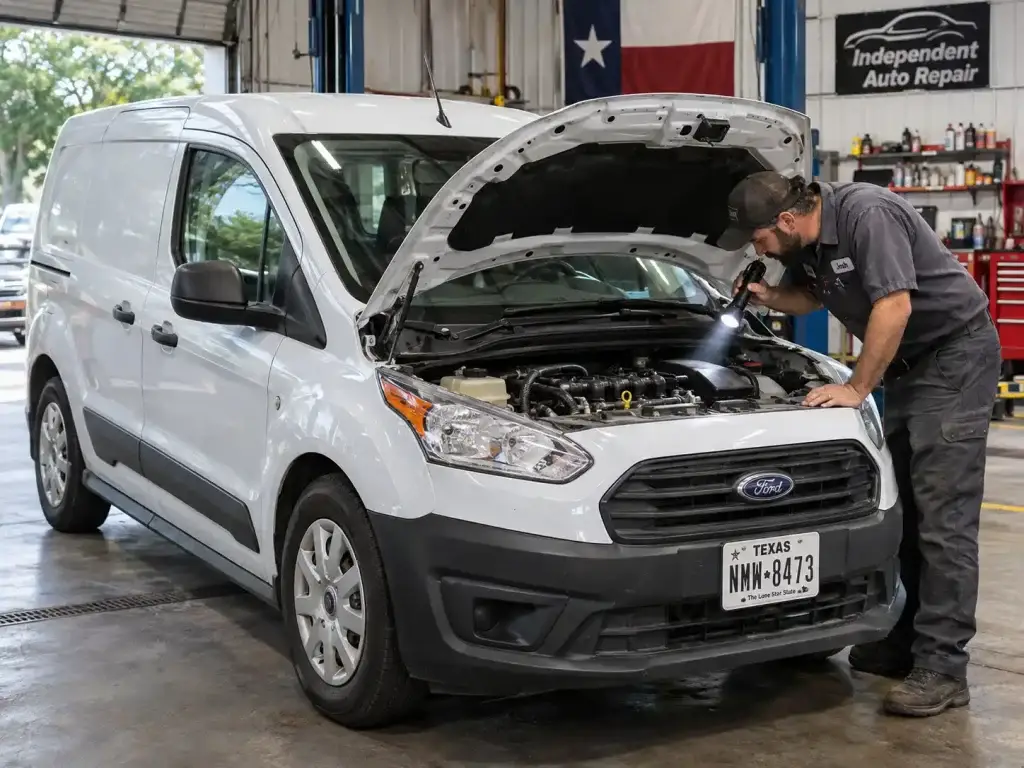
- Run the VIN for open recalls and a vehicle history report. Many vans were fleet units, which is fine if maintenance was regular.
- Slam every door. Front doors, sliding doors and rear doors should latch first time, every time.
- Check the shifter. Confirm each gear engages cleanly and the dash shows the gear the lever is in. On a gentle slope, shift to Park with your foot ready on the brake and make sure the van holds.
- Test-drive cold and warm. Watch for harsh shifts, slipping or shuddering from the automatic transmission.
- Look at the cargo floor and walls. Heavy dents, cut-in holes from removed shelving and water stains tell you how hard the van worked.
- Check the tires and brakes. Vans that ran at full payload wear both faster.
- Ask for the service records, especially oil changes and any transmission fluid service.
For paperwork, test-drive and negotiation tips, see our used Ford buying guide.
Finding a Ford Transit Connect for Sale Near Me
Search national listing sites by model and filter by body style. “Cargo van” and “wagon” are usually separate options, so set the one you want. Widen the radius to 150–200 miles; Transit Connect supply is thin in some areas and deep near big metro fleets. Ford dealers also sell Ford Blue Advantage certified Transit Connects, which come with an inspection and extra coverage. A certified van is a smart way to buy a 2022 or 2023 Ford Transit Connect for sale if you want peace of mind.
Running Costs and Maintenance
One reason fleets loved the Transit Connect is that it’s cheap to run. Its fuel economy beats any full-size van by a wide margin, it uses regular gas, and its tires and brakes are car-sized rather than truck-sized.
- Oil changes: follow the Intelligent Oil-Life Monitor, and change oil sooner if the van idles a lot or carries full loads daily.
- Transmission: both the 6-speed and the 8-speed automatics appreciate fresh fluid on high-mileage, hard-working vans. Ask a Ford dealer for the interval that matches your van’s duty.
- Doors and latches: a van’s sliding doors open dozens of times a day. Lubricate the tracks and latches regularly and fix problems early.
- Tires and brakes: expect faster wear if the van spends its life near maximum payload.
Our Ford maintenance guides cover service schedules in more detail.
Doing Your Own Work on a 2014–2023 Transit Connect
Plenty of owner-operators service their own vans to keep downtime low. Brakes, fluids, sensors and door hardware are all realistic DIY jobs with the right information. A factory-level service manual gives you the correct torque specs, wiring diagrams and step-by-step procedures for both the 2.5L and 2.0L vans.
Keep your Transit Connect working with the complete repair, wiring and torque-spec reference.
Is a Used Ford Transit Connect Worth It?
Yes, if you need a small, efficient van and don’t need to carry more than about 1,500 pounds. Nothing new on the US market replaces it. It parks like a midsize SUV, fits in most garages, and burns far less fuel than a full-size van.
Buy one if: you run a trade or delivery business in the city, you want a cheap mobile workshop, or you need a roomy, practical wagon for family and gear.
Skip it if: you regularly carry heavy loads, tow more than 2,000 pounds, or spend hours on the highway. A full-size Transit makes more sense in those cases. The Transit Connect’s small engine works hard when the van is fully loaded.
Our pick: a 2019–2021 Transit Connect cargo van with service records and every recall completed. It is the best mix of modern drivetrain, safety tech and price. If budget allows, a certified 2022 or 2023 buys you extra peace of mind.
Ford Transit Connect FAQ
Is the Ford Transit Connect discontinued?
Yes, in the US. The 2023 model year was the last Transit Connect sold here. Ford of Europe still builds a Transit Connect and Tourneo Connect based on the Volkswagen Caddy, but neither is sold in America.
What engine does the Transit Connect have?
2019–2023 models use a 2.0L four-cylinder with 162 hp and an 8-speed automatic. 2014–2018 models mostly use a 2.5L four-cylinder with 169 hp and a 6-speed automatic, with a 1.6L EcoBoost turbo offered in early years. 2010–2013 vans use a 2.0L with 136 hp and a 4-speed automatic.
How much can a Ford Transit Connect carry and tow?
Payload is roughly 1,500–1,600 pounds depending on configuration, and towing is rated at up to 2,000 pounds when properly equipped. Check the door-jamb sticker for the exact payload of a specific van.
How much cargo space does the Transit Connect van have?
The cargo van offers about 104.8 cubic feet in short-wheelbase form and about 127.4 cubic feet in long-wheelbase form behind the front seats.
How much is a used Ford Transit Connect?
In November 2026, average asking prices ranged from about $10,400 for a 2014 to about $26,500 for a 2023, according to Autotrader listings. Low-mileage 2023 vans can top $30,000.
What is the best year for the Transit Connect?
The 2019–2021 model years offer the best value: the newer 2.0L engine, an 8-speed automatic and standard automatic emergency braking, at prices not far above the 2014–2018 vans.
Is the Ford Tourneo Connect sold in the US?
No. The Tourneo Connect is the European passenger version. In the US, the equivalent was the Transit Connect Wagon, sold through 2023.
What’s the difference between the Transit Connect XL and XLT?
The XL is the basic work trim. The Ford Transit Connect XLT adds more comfort and convenience features and nicer trim. The passenger wagon also came in a top Titanium trim.